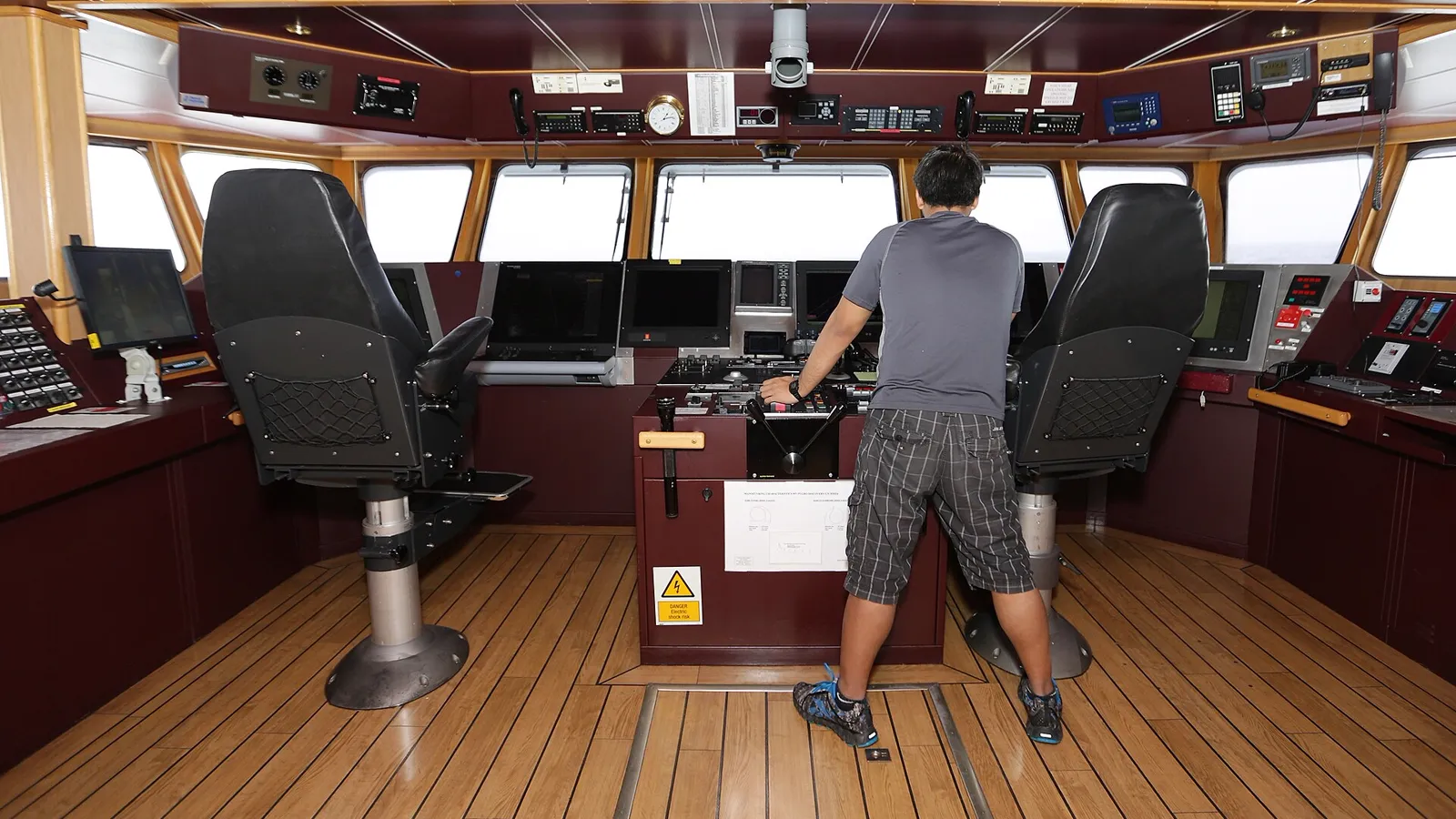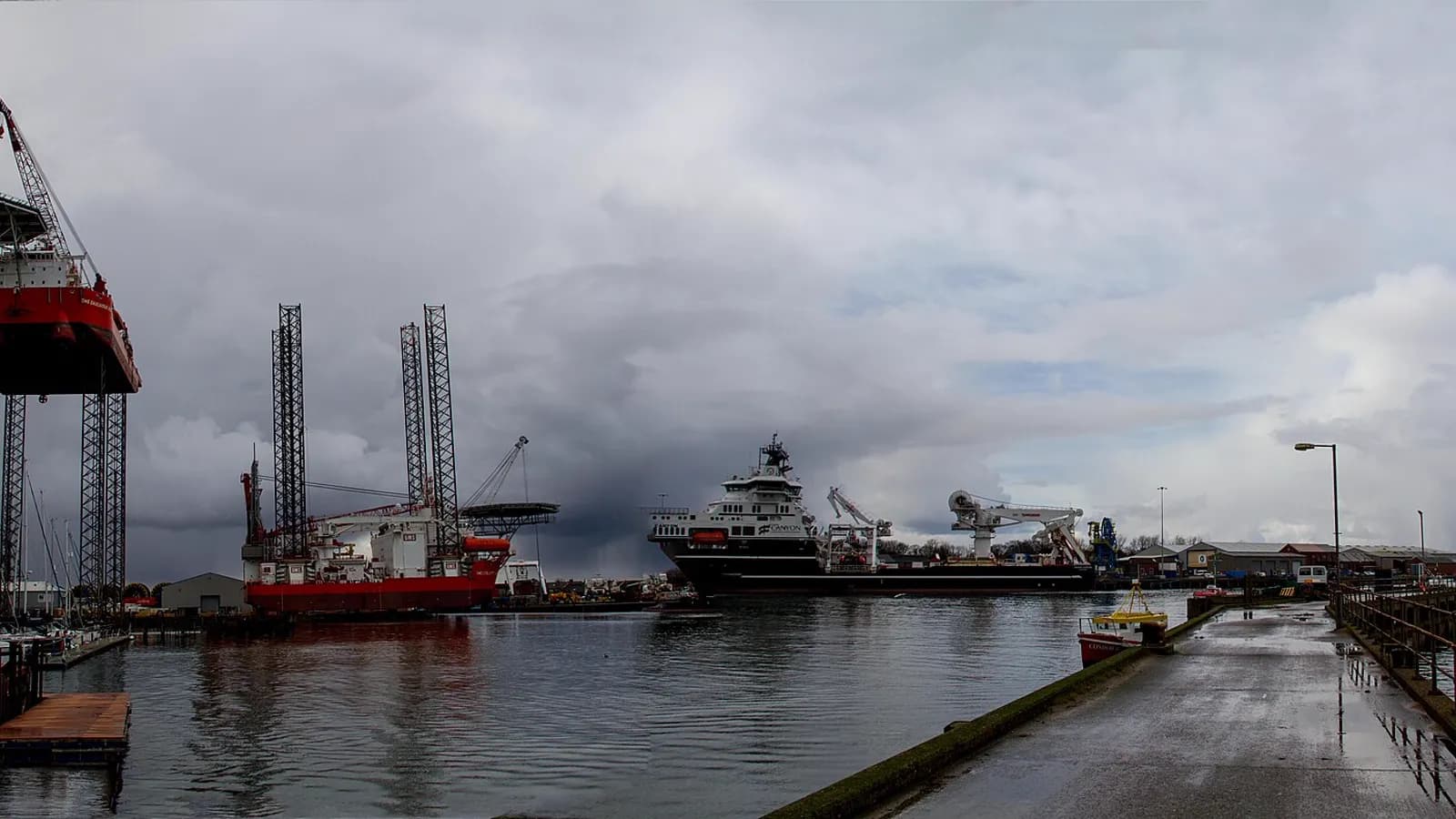
Most cargo disputes are not lost on the facts. They are lost on the record of the facts — a report written for the person who was standing there rather than for the person who will read it eighteen months later with money at stake.
Write for the reader who was not there
The surveyor knows which hold, which tier, which crane, what the weather was doing. None of that is obvious from a photograph of a dented panel. The report has to carry the context, because by the time it matters the surveyor's memory is not evidence.
The parts that get relied on
- Vessel, voyage, berth and the exact times the inspection started and finished
- Condition on arrival, recorded before any handling begins
- Method: what was measured, with what, and to what tolerance
- Stowage and securing as found, with the arrangement described, not only photographed
- Damage located precisely enough that someone else could find it again
- Weather and any operational interruption during the period observed
Photographs are not findings
A photograph shows a state. It does not show a cause, a sequence or a scale, and a report that leans on images to make its argument is doing the reader's work badly. Caption every frame with where it was taken from and what it is meant to demonstrate.
If the report cannot be understood without the surveyor in the room, it is not finished.
Separate what was seen from what it means
The strongest reports keep observation and opinion in different paragraphs, and say which is which. A surveyor is entitled to a view on cause, and that view is often the most valuable thing in the document — but it has to be recognisable as a view, resting on stated observations, so that a reader can accept the facts while arguing with the inference.
Reports that blur the two lose both. The findings get treated as advocacy, and the reasoning gets no weight at all.
The habits that hold up
- Write it the same day, while the sequence is still clear
- Record what could not be inspected, and why, rather than leaving a silent gap
- Use the vessel's own nomenclature for holds, hatches and tiers
- Note who was present and in what capacity
- Keep the original field notes — they are the thing that answers a later challenge
Compliance with the applicable regulations and industry standards is the floor. Being useful a year later, to someone who was never there, is the actual job.